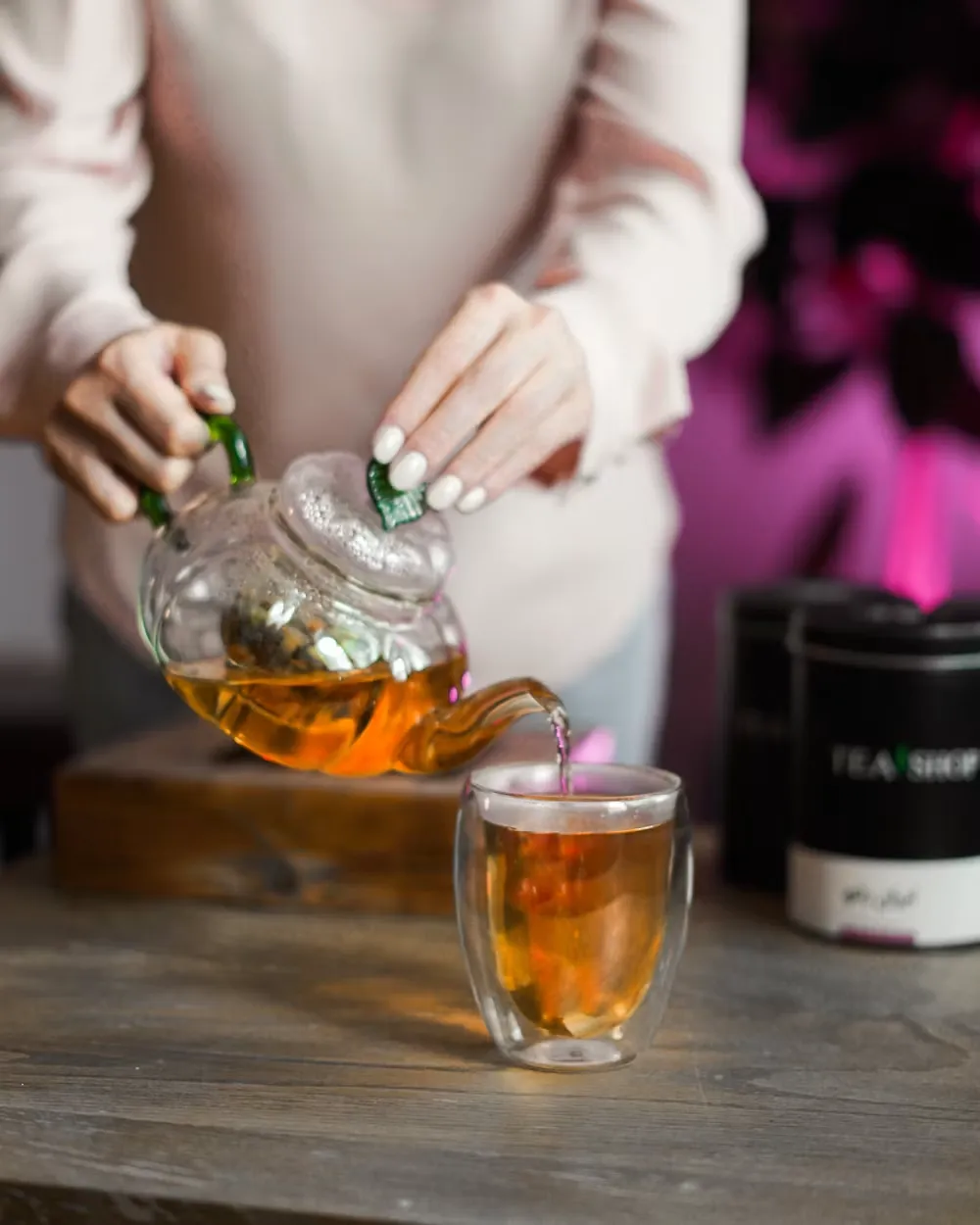
Infusion
Herbal Teas
Usually made with dried leaves or flowers steeped in hot water. Strength depends on plant part, amount, and time.
This guide gives practical preparation ranges and safety checkpoints. It is educational and does not replace professional medical advice.
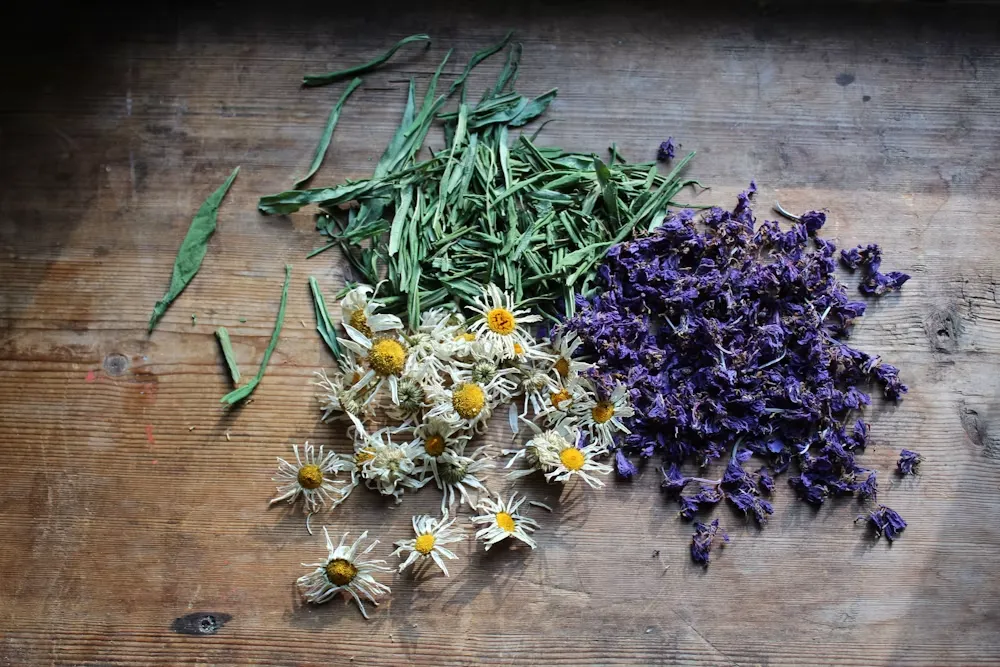
Teas, syrups, tinctures, oils, and topical preparations are not interchangeable. Start simple and label everything.
Usually made with dried leaves or flowers steeped in hot water. Strength depends on plant part, amount, and time.
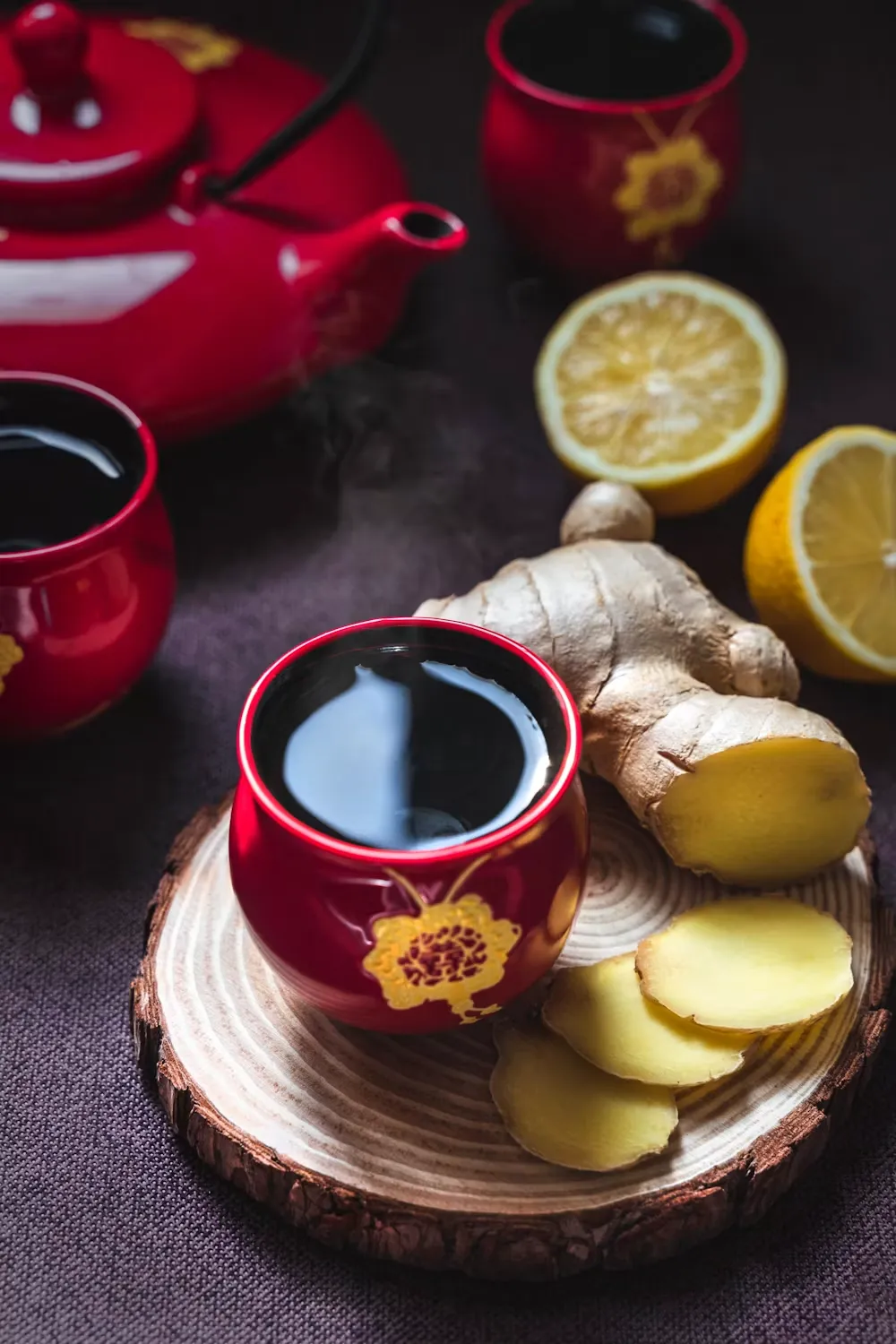
Tougher plant parts are often simmered rather than simply steeped. Follow plant-specific guidance.
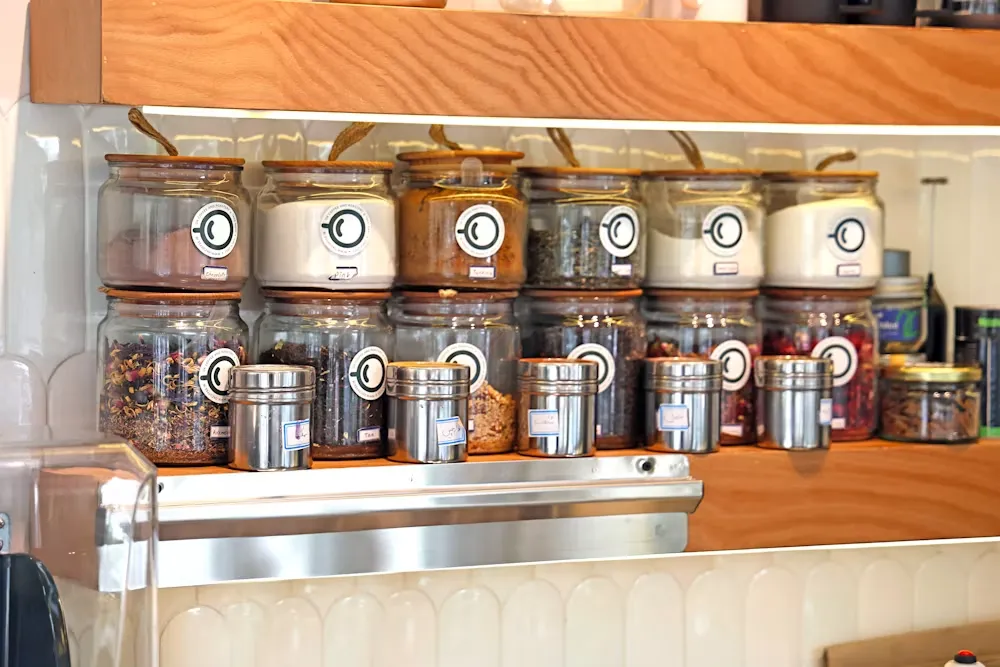
Mark the herb, date, preparation type, and intended use. Discard anything with mold, off-smell, or unclear identity.
Responsible use begins before preparation. These checks are simple, but they prevent most casual mistakes.
Use the correct common and botanical name. Avoid mystery blends or unlabeled dried herbs.
Review medication interactions, allergies, pregnancy, age, chronic conditions, and upcoming procedures.
Use conservative amounts, avoid stacking multiple new herbs, and stop if irritation or unusual symptoms appear.
Write down the herb, amount, date, format, and response so decisions are based on clear information.
Herbal strength varies by source, freshness, plant part, and preparation. Recipes should be treated as starting points, not guarantees.
Stop using an herb and seek medical guidance if symptoms worsen, an allergic reaction appears, dizziness or breathing issues occur, or you are unsure whether the preparation is safe for your situation.