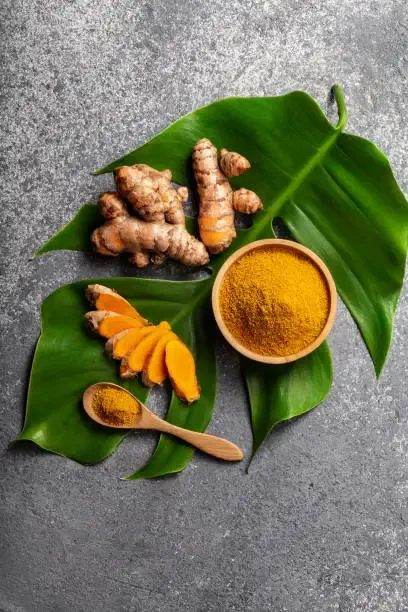
Digestive
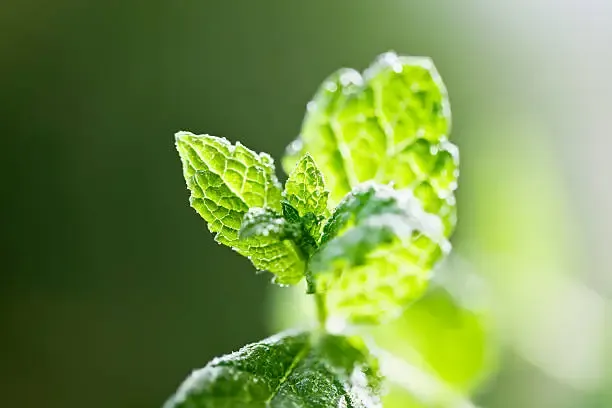
Peppermint
Bright, cooling, and aromatic. Commonly prepared as a tea after meals, though it may not suit everyone with reflux.
Learn flavor, preparation formats, traditional roles, and practical cautions before adding a plant to your home apothecary.
Profiles, cautions, preparations, and pantry notes.
These plants are widely known, but each still deserves careful preparation and attention to individual health needs.
Bright, cooling, and aromatic. Commonly prepared as a tea after meals, though it may not suit everyone with reflux.

A floral herb used in sachets, baths, and gentle infusions for evening routines and sensory calm.
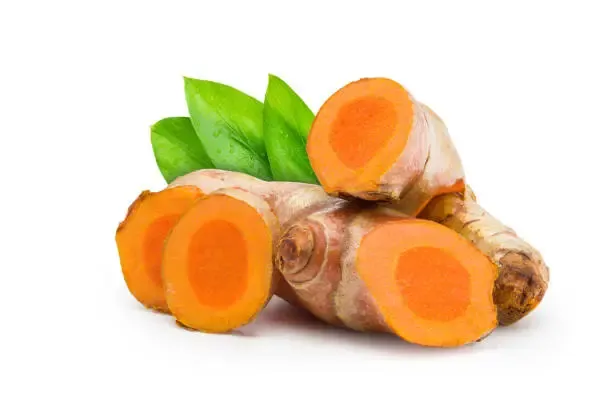
A soft, apple-like flower often used in bedtime teas. Avoid if you react to plants in the daisy family.

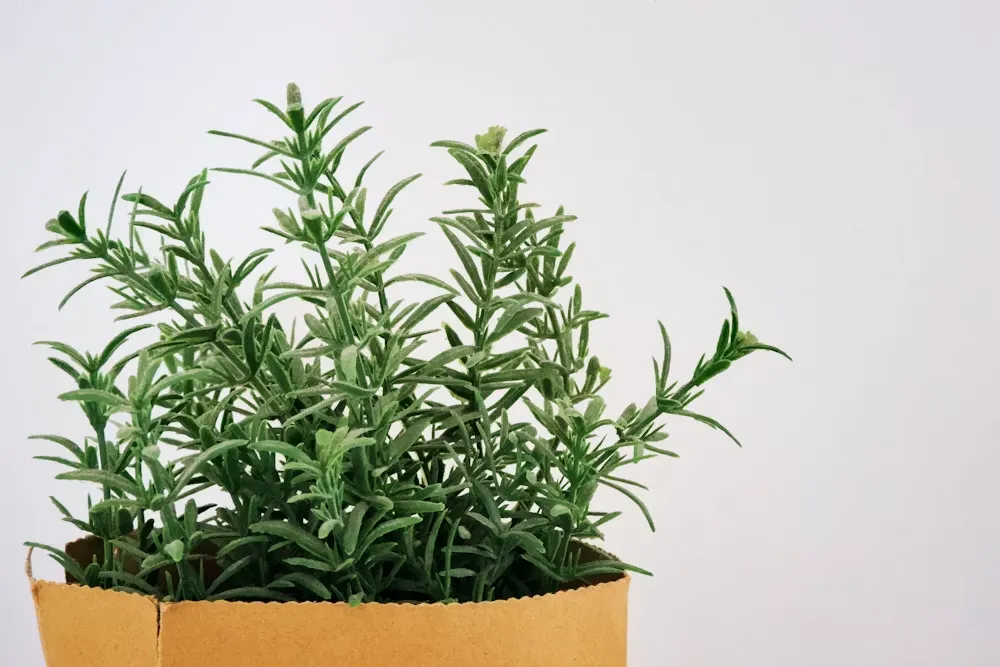
Piney and strong, rosemary bridges culinary use and traditional herbal practice in oils, steam, and food.
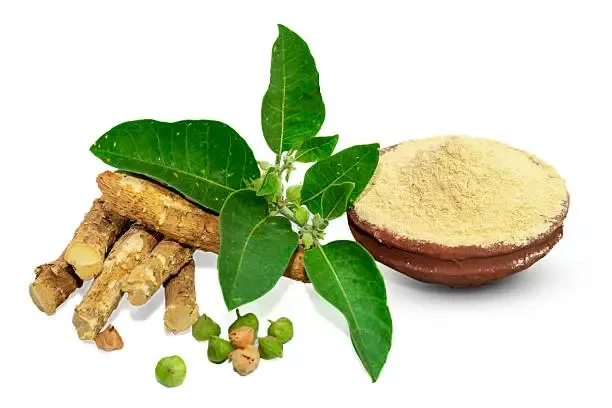
Ashwagandha is often discussed as an adaptogen, but it is not a casual herb for everyone. Quality, dose, duration, thyroid conditions, pregnancy, and medication use all matter.
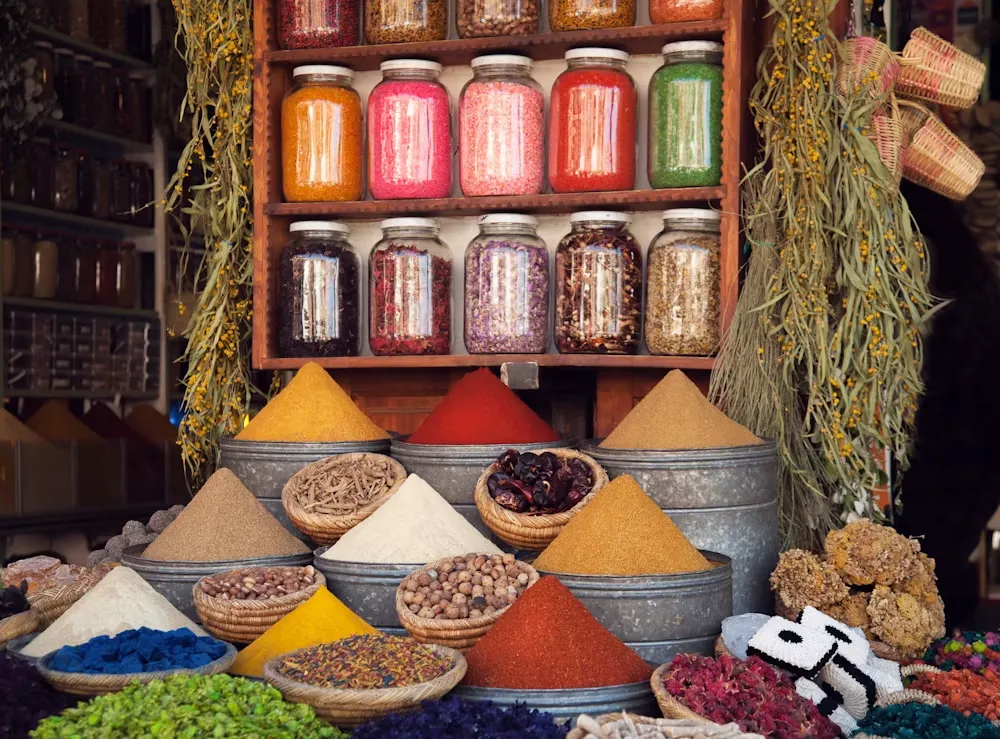
Many practical preparations begin with common culinary plants. Store them well, label them clearly, and replace old jars when aroma fades.
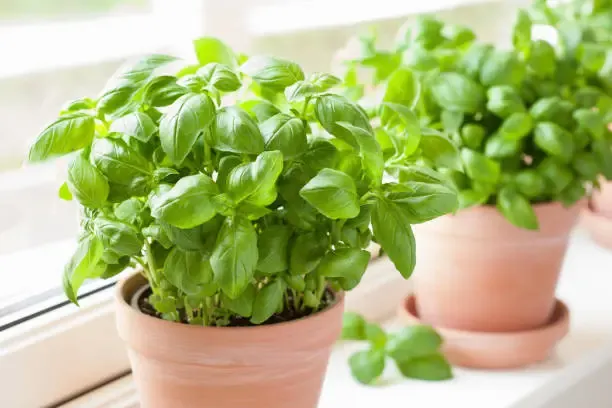
Fresh, aromatic, and best used quickly.
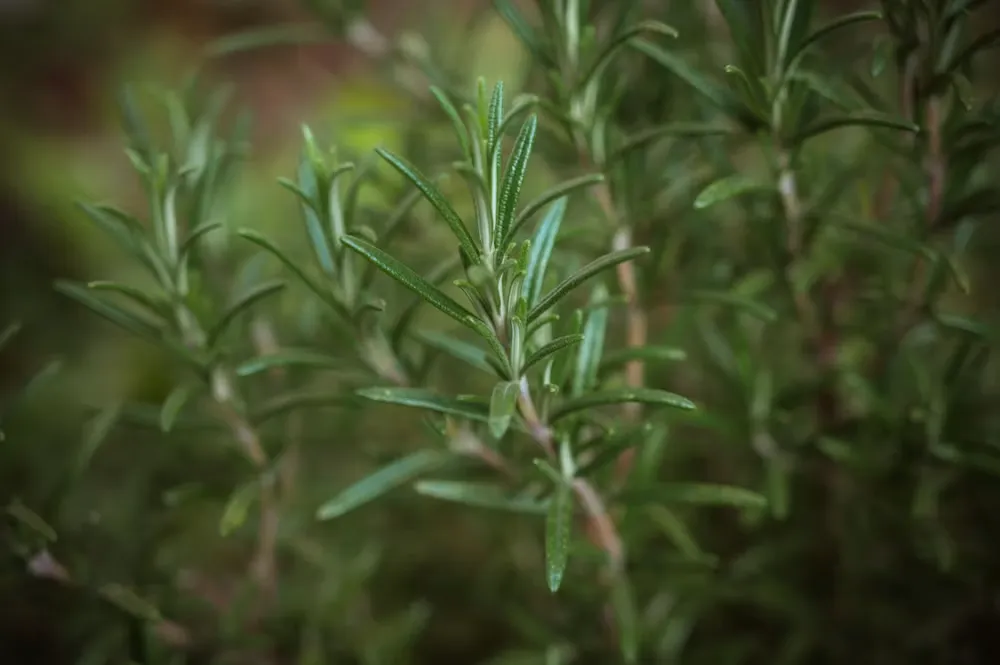
Strong flavor for oils and savory food.
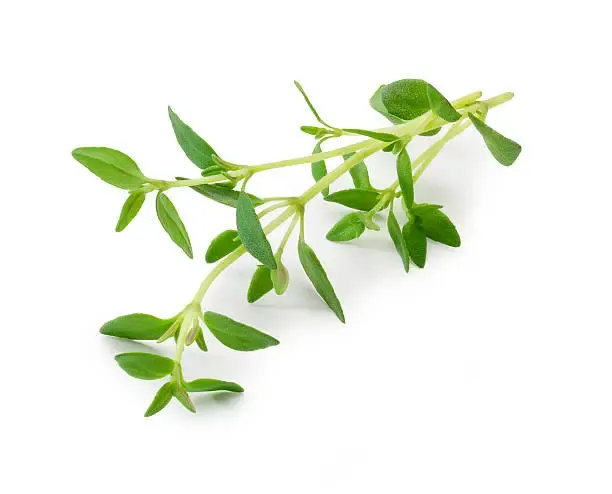
A tiny leaf with a bold, resinous aroma.
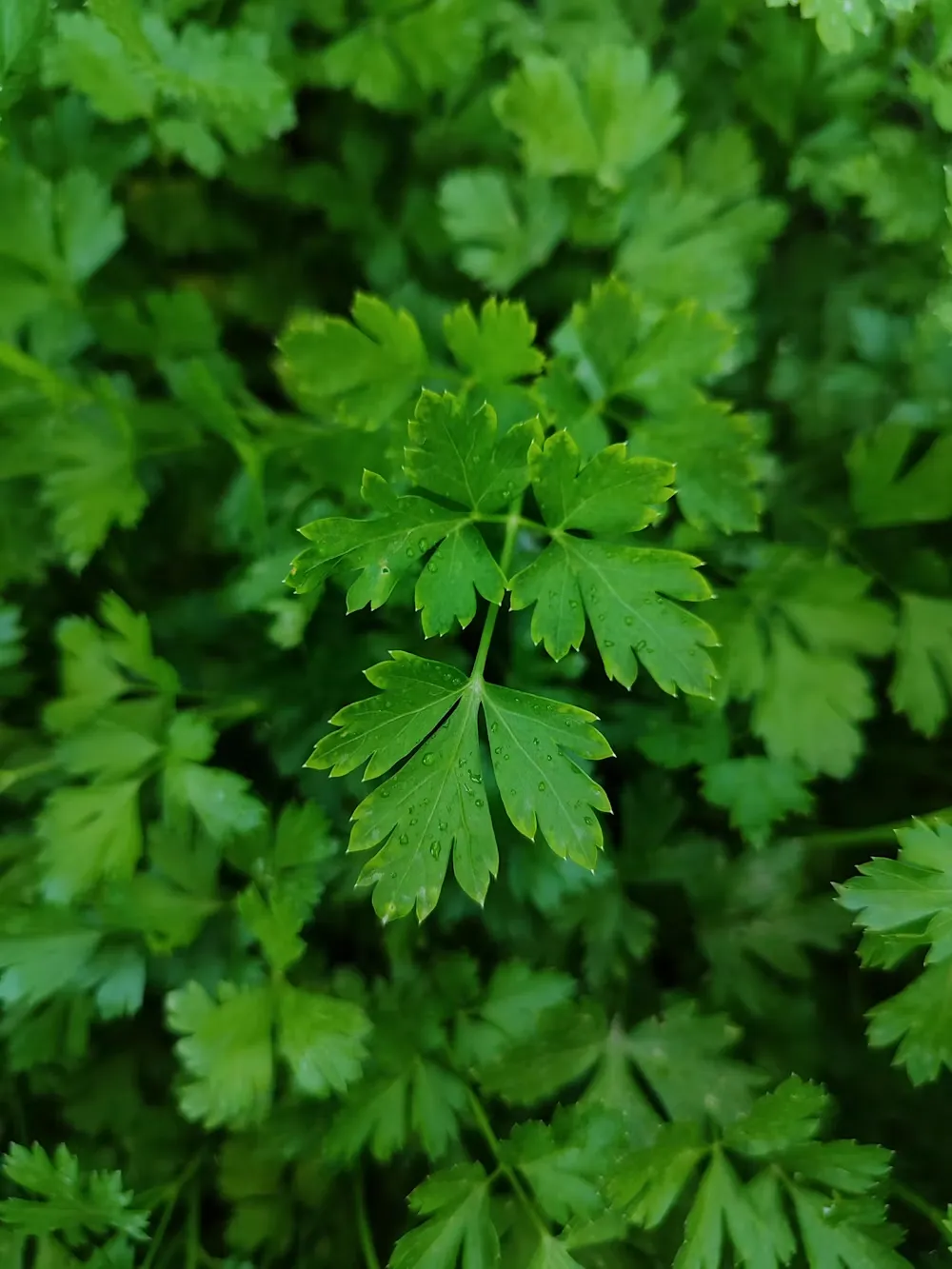
Bright, green, and easy to add to meals.